
- Experts reveal the signs that your power bank might be dangerous, amid growing fire fears
- Warning comes as the Civil Aviation Authority warns the fire risk posed from lithium-ion batteries now the number one safety risk to aircraft
- Civil Aviation Authority figures show reports of overheating or malfunctioning passenger devices nearly doubled between 2024 and 2025, following a 98% year-on-year increase
- Experts at Electrical Safety First reveal the tell tale signs your power bank could be a fire risk
Holidaymakers are being urged to check their power banks before travelling, as a fresh warning is issued by the Civil Aviation Authority.
New figures issued by the regulator shows reports of overheating or malfunctioning passenger devices nearly doubled between 2024 and 2025, following a 98% year-on-year increase.
The regulator has warned rechargeable lithium batteries, such as power banks and vapes, can bring a fire risk that could be uncontrollable if packed in checked baggage.
Now product safety experts at Electrical Safety First reveal the signs that Brits should be looking out for that may indicate their power bank may be a fire risk.
Why power banks can be dangerous if they fail
Power banks contain lithium-ion batteries, which if damaged can create aggressive fires that can release toxic fumes – a process known as thermal runaway.
“Power banks are popular travel items that keep you powered up on the go,” Giuseppe Capanna, product safety engineer at Electrical Safety First, explains. “But they contain lithium-ion batteries which can hold a sizable amount of energy in a very small space, so can pose a serious fire risk if they become damaged or are manufactured to a substandard level.”
How do I know if something is wrong with my power bank?
The biggest tell-tale sign is if your power bank starts to bulge, swell or change shape.
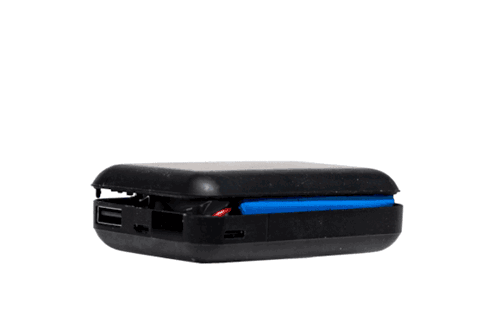
“Swollen power banks are a sign of an internal failure and it may mean the device is at risk of catching fire, sparking a dangerous process called thermal runaway, where toxic fumes are expelled and a fire occurs,” Giuseppe Capanna warns.
“If you notice any damage or deformation to your power bank when you’re packing for your holiday abroad, don’t bring the device with you. Instead, safely dispose of it as soon as possible at a local recycling centre that has dedicated facilities for electronics and batteries,” Giuseppe Capanna adds. “Always follow airline rules and never put power banks in your checked luggage. Only take them in the cabin and if you spot any signs of damage or deformation while flying, alert airline staff straight away.”
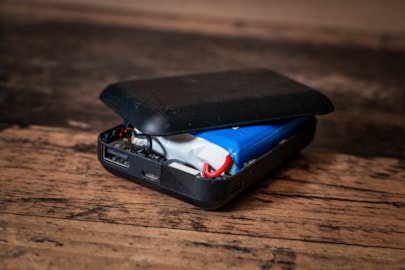
Image of swollen power bank Credit: Electrical Safety First
The do’s for your power bank
- Do buy your power bank from a reputable high street retailer that you know and trust.
- Do stay up-to-date with product recalls and safety notices.
- Do keep it away from heat sources and liquids such as direct sunlight, humidity or water.
The don’ts for your power bank
- Avoid buying your power bank from an online marketplace, as they have no legal responsibility for the safety of goods sold by third parties on their platforms, leaving you vulnerable to substandard products.
- Don't charge your power bank overnight or whilst you are out of the house.
- Don’t expose it to extreme temperatures, for example, do not leave it in a parked car where it could get very cold in winter or very hot in summer.
- Don’t drop or roughly handle your power bank which may damage internal components.
- Don't cover your power bank whilst charging that may increase the devices temperature unnecessarily and charge in a well-ventilated environment.