
Sub-standard and counterfeit electrical plugs can be deadly!
The Plug Checker has been developed to allow you to quickly check and ensure the plugs on your electrical appliances meet the required standards.
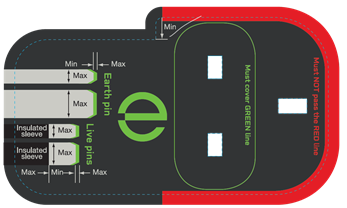
It enables the user to perform 3 simple tests, in which should the plug fail on any of these checks, the appliance should not be used as it could put you at risk.
Common products which can often be found to not meet the required safety standards include:
- Chargers
- Travel adapters
- Hair straighteners
- Fans
- Kitchen appliances
- Power tools
In the event that you identify a plug which does not meet the requirements outlined on the plug pin gauge you should:
- Stop using the appliance that the plug is connected to immediately
- Contact the retailer you purchased it from and inform them that the product is potentially unsafe and request a refund
- Contact either Trading Standards or contact us to make us aware. The incident can then be dealt with by the relevant bodies to remove the product from future sale.
To protect yourself and reduce the risk of purchasing sub-standard and counterfeit products make sure you buy from reputable retailers. Be particularly careful when shopping online and make sure you know who you are buying from - sticking to manufacturers' websites or trusted High-Street names.
Buy a plug checker
Plug Checkers are available in packs of two on Amazon, offering fast delivery. It's an ideal way for purchasing up to 20 units.

Plug checker instructions

Plug checker instructions
Download instructions on how to use the plug checker.

Stay safe with electrical products
Check plugs and sockets
Don't ignore burn marks, ‘arcing’ (buzzing or crackling) sounds, fuses blowing, circuit-breakers tripping, or if it feels hot to touch.
Unplug and contact the retailer, manufacturer, or a qualified repair technician.
Protect with an RCD
An RCD (residual current device) in your consumer unit (fusebox) protects you from electric shocks if a product is faulty.
If you don’t have RCD protection, use an RCD plug on the socket where the product is plugged in.
Fit smoke and heat alarms
Ensure there is at least one smoke or heat alarm per floor in your property. Fit enough alarms to cover all areas where a fire could start.
Test alarms at least once a month. Replace them every ten years or when the replace by date is reached.

Selected FAQs
Answers to commonly-asked questions we receive about electrical safety.
Only use one socket extension lead per socket and never plug an extension lead into another extension lead.
It is bad practice to do this and should never be done as this presents a serious risk that the wall socket could be overloaded. Move the electrical item closer to the wall socket or first extension lead. Use our overload calculator to check if you’re exceed.
It is likely that you can but this does depend on your electrical installation - a registered electrician will be able to advise you whether it can be done - they will assess the load, circuit type and cable rating. You can find one local to you here.
There is no legal requirement to replace sockets if they are positioned on skirting boards in an older property but given that the wiring installation is likely to be old, it is advisable to get a registered electrician to carry out an inspection of the electrics. They will issue you with an Electrical Installation Condition Report (EICR) which will either confirm that the installation is safe or highlight any hazards that need to be addressed.
You can find a registered electrician local to you here.
It is recommended that periodic inspection and testing is carried out at the following times:
- for tenanted properties, every 5 years or at each change of occupancy, whichever is sooner
- at least every 10 years for an owner-occupied home
- at least every 5 years for a business
The Landlords and Tenant Act 1985 requires landlords of properties with short leases to keep the electrical wiring in repair and in proper working order. We recommend landlords arrange for periodic inspection and testing to be carried out by a registered electrician at the relevant intervals shown above.
Periodic inspection and testing of the electrics should be carried out more frequently on the places and premises listed here:
- 3 years for a caravan
- 1 year for a swimming pool

Sign up for emails
Whether you are a member of the public or an electrical professional, we will keep you in the know with the latest electrical safety news and information.